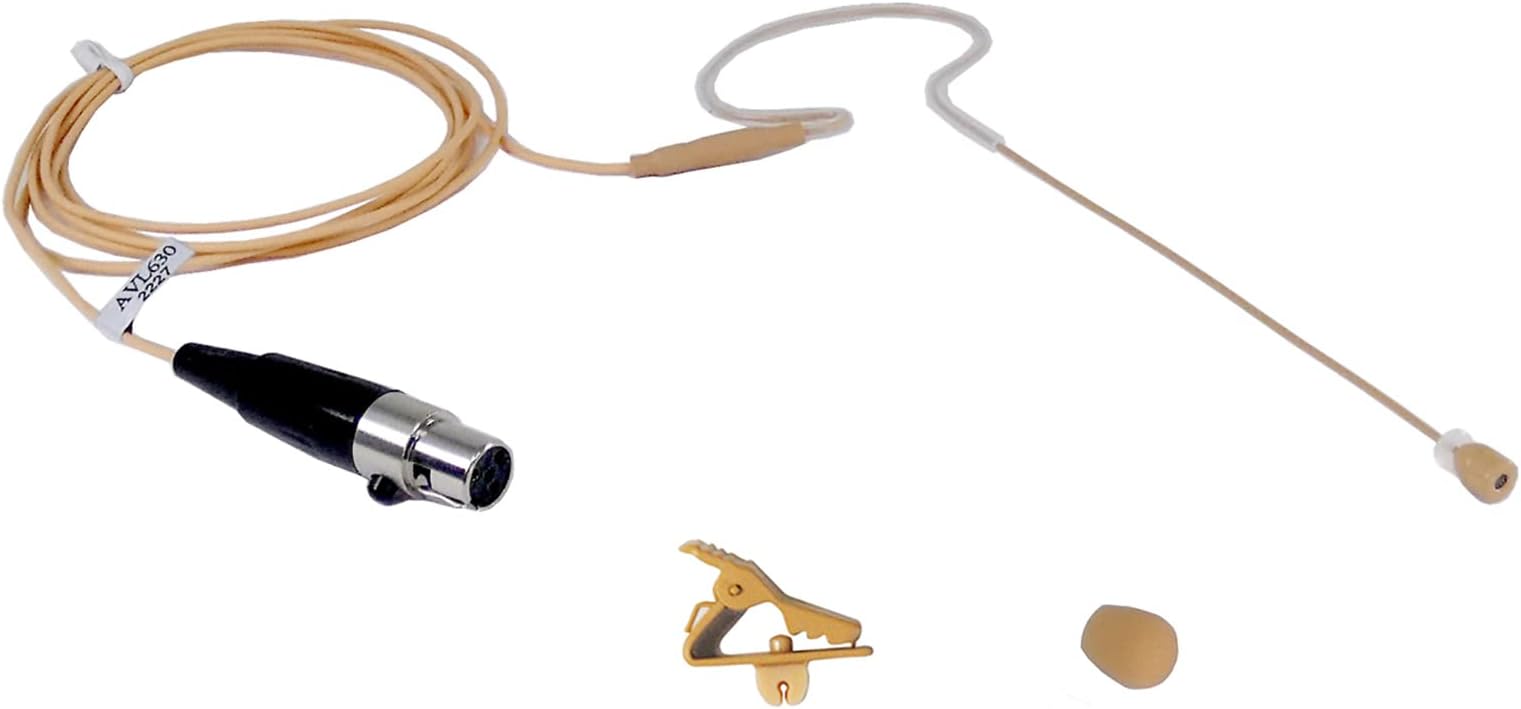
Audio-Technica BP892x
5.0Editor score
Single-ear condenser earset
Omnidirectional vocal pickup
Detachable 1.6 mm cable
Audio-Technica cW connector
Our 2026 guide compares 10 headset mics for theatre, covering wireless compatibility, sound pickup, comfort, visibility, durability, and stage-ready performance
Theatre headset microphones give actors the freedom to move, turn, and interact with an audience while keeping vocal pickup close to the mouth. A well-matched headset can reduce feedback, remain visually unobtrusive, and provide dependable articulation across rehearsals, performances, touring shows, classrooms, and houses of worship.
The ten products in this guide represent wired and wireless options from Pyle Pro, Shure, Phenyx Pro, Avl, Point Source Audio, and Audio-Technica. We compared their documented pickup patterns, connector systems, mounting styles, environmental resistance, sound-pressure handling, accessories, and intended performance environments rather than claiming personal hands-on testing.
Each pick shows why its particular design suits a different theatre need, from an inexpensive wired option to multi-channel wireless ensembles and broadcast-grade earsets. Ratings and specifications reflect the supplied product information, while prices and availability can change, so confirm the current listing and system compatibility before purchasing.
5.0Editor score

4.5Editor score

4.3Editor score
This side-by-side comparison highlights each headset's pickup pattern, physical format, connection method, and stage-oriented features so performers can identify the most practical match for their theatre or wireless system.


The PYLE-PRO PMEMS10 is a skin-toned, on-ear condenser headset with a 4.3 rating and a straightforward wired design. It is intended for voice, speech, singing, recording, acting, presenting, and other situations where a performer needs dependable hands-free pickup without carrying a handheld microphone.
We may earn a commission when you buy through this link, at no additional cost to you.
Its 2k-ohm output impedance and omnidirectional capsule make it a practical choice for close voice reinforcement. The 4-pin mini XLR connection provides a direct path to compatible wireless systems or a studio mixer, while the included windscreens help control air movement around the capsule. The lightweight, flexible frame can sit comfortably with glasses, hats, or headphones.
The main compromises are inherent to a wired on-ear system. A trailing cable can limit choreography and may create a snag hazard, and omnidirectional pickup can capture more ambient sound than a directional microphone. Beige coloration also helps the headset blend with skin and costumes, although fit and finish will ultimately depend on the wearer's head shape.
This is a strong choice for a rehearsal room, classroom, small theatre, house of worship, or presenter who already owns a compatible wired system and wants a simple microphone without a bodypack. It offers the best balance of affordability, documented compatibility, and unobtrusive appearance among the wired options in this guide.
The 4-pin mini XLR lead makes this headset attractive when the goal is a short, reliable signal path. It can connect directly to a mixer or a compatible Shure system without adding a separate wireless transmitter to the purchase.
The flexible on-ear frame, skin-tone finish, and supplied windscreens support a discreet appearance. It is especially useful for speakers who need their hands free but do not want a prominent boom wrapped around the face.
We may earn a commission when you buy through this link, at no additional cost to you.
The Pyle Pro Dual Over-Ear Headset Microphone is a wired, hands-free condenser option built around a double-ear metal frame. Its 4.3 rating and documented use for hosts, singers, recording, and other live applications make it a credible choice for fixed speaking positions and compact performance spaces.
We may earn a commission when you buy through this link, at no additional cost to you.
The headset uses a 4-pin mini XLR connection and includes two windscreens. That arrangement suits a compatible body-pack transmitter or a direct mixer connection, giving users more setup options than products supplied with proprietary fixed leads. Its flesh-toned beige finish is designed to blend with different skin tones and remain visually unobtrusive.
The dual-ear frame is the defining feature. It can feel more secure than a single-ear hook, which may be useful during movement or when a performer is concerned about the headset shifting. That stability comes with a bulkier structure, however, and a 3.9-foot lead is not ideal for unrestricted choreography. Omnidirectional pickup can also admit more background sound.
Choose this model for presenters, singers, instructors, and theatre personnel who value a secure over-ear fit and already have compatible mini XLR equipment. It is less attractive for large moving ensembles, but for stage announcements, classroom instruction, and compact productions it offers a practical balance of stability, compatibility, and discreet styling.
The double-ear metal frame helps keep the capsule and boom in a consistent position. That makes the headset useful for performers who turn their heads frequently or want less movement around the ear.
With a direct mixer option, bodypack compatibility, and two included windscreens, the headset can serve hosts, singers, actors, and presenters. Its main limitation is the short wired cable, which favors stationary or limited-movement use.
We may earn a commission when you buy through this link, at no additional cost to you.
This Professional 8 Channel UHF Wireless Micro Earset Headset Microphone System is built for a full stage rather than a single performer. It includes eight earset microphones, eight belt-pack transmitters, and an eight-channel receiver, earning a 5.0 rating within the supplied catalog information.
We may earn a commission when you buy through this link, at no additional cost to you.
Each channel offers 100 selectable frequencies, and the system supports up to 20 units used simultaneously. Eight antennas are provided for reception, while the receiver's backlit LCD displays RF level, AF level, channel frequency, and mute status. Automatic setup allows transmitter and receiver channels to be synchronized more efficiently.
The biggest advantage is coordination. Rather than assembling eight independent wireless solutions, a theatre can deploy a unified package with a common receiver and channel-management approach. The tradeoff is complexity: multiple bodypacks, antennas, frequency settings, and batteries create more items to power, maintain, label, and test before a performance.
This system is most relevant to school productions, community theatres, touring groups, churches, and companies that regularly stage large ensembles. It should suit operators who need several earsets managed through a multi-channel receiver. Smaller productions with one or two lead performers may find the complete system more than they need.
The eight-channel receiver and adjustable frequencies provide a structured way to support numerous performers. Automatic transmitter setup reduces repetitive channel-matching work during preparation.
The backlit display reports RF level, AF level, channel frequency, and mute status. These readouts help operators diagnose a quiet channel or confirm that a performer has been muted.
We may earn a commission when you buy through this link, at no additional cost to you.
The Shure DuraPlex DH5 is a tan, omnidirectional headset microphone built around a very small 5 mm subminiature capsule. Its 4.5 rating reflects a strong overall showing, while the documented applications span film, broadcast, speech, theatre, and live performance.
We may earn a commission when you buy through this link, at no additional cost to you.
The small capsule is designed for discreet placement and improved gain before feedback, making it particularly appropriate for actors who need to move across a stage without presenting a conspicuous microphone. A 1.6 mm Shure-designed cable is described as fully paintable and unusually resistant to retaining a coiled memory.
Environmental protection is another major strength. The IP57 rating covers resistance to dust and water, giving the headset useful credentials for physically active shows and repeated daily use. The included Presence Cap can tailor frequency response for speech, while the accessory set includes storage, mounting options, and wind protection.
The DH5 is best for professional productions using compatible wireless infrastructure, especially when low visibility and mobility matter. It offers mTQG/TA4F and LEMO termination options and high RF immunity, but those features do not make it universally plug-and-play. Confirm the exact connector and bodypack arrangement before ordering.
The five-millimeter capsule sits close to the mouth without dominating the wearer's face. This is valuable for naturalistic theatre where an obvious boom or large ear cup would interrupt the visual character of a costume.
The IP57 rating, flexible paintable cable, and included storage and mounting accessories support repeated professional use. They also make the headset easier to integrate into shows where color matching and reliable daily handling are important.
We may earn a commission when you buy through this link, at no additional cost to you.
The Phenyx Pro PDP-1-1B is a single-channel UHF digital wireless package that includes both a headset and a lavalier microphone. With a 4.3 rating, it offers a flexible way to move from hands-free performance to a more concealed clothing-mounted option.
We may earn a commission when you buy through this link, at no additional cost to you.
The bodypack connects through a 3-pin mini XLR jack, while the receiver provides a one-quarter-inch TS output for mixers, amplifiers, powered speakers, karaoke machines, and audio interfaces. The system uses 48 kHz, 24-bit digital circuitry, encrypted transmission, and 15 tunable frequencies in the 902–928 MHz range.
Automatic tuning, a transmitter mute function, and USB-C charging make setup relatively approachable. The stated line-of-sight range is 160–200 feet, with the recommendation to keep the antenna upward and avoid metal or glass. Those conditions are important because they determine how much stage area the system can cover reliably.
This package works well for small-stage theatre, weddings, churches, presentations, and mobile performers who want two microphone styles without buying separate systems. It is less suitable for a large cast needing many independently controlled channels, and the included adapter options should be checked against the exact audio input used at the venue.
The included headset and lavalier let a performer choose between an earset and a lower-visibility clothing microphone. That flexibility is useful when costume design or the type of role changes between performances.
One-touch frequency selection, mute control, and USB-C charging streamline rehearsal and show preparation. The receiver's quarter-inch output also provides a familiar connection point for common live-audio equipment.
We may earn a commission when you buy through this link, at no additional cost to you.
The Avl-630-sh4 is an earhook headset designed for Shure wireless microphone systems, with a 4.4 rating. Its sweat- and dust-resistant construction targets professional use on stages, in houses of worship, and in lecture environments where hands-free operation and low visual profile are valuable.
We may earn a commission when you buy through this link, at no additional cost to you.
The greatest strength is its broad documented bodypack compatibility. The product is listed for Shure T1, ULX1, UR1, PG1, PGX1, PGXD1, SLX1, BLX1, and BLXD1 transmitters. That makes it a practical headset for theatres or venues that already use several generations of Shure wireless equipment.
Its earhook format avoids the larger visual presence of a full over-ear communications headset, which can be important for stage realism. Resistance to sweat and dust also supports performers who wear it through demanding shows. However, it is not a universal solution: the product information explicitly excludes Mipro and Peavey systems.
Choose the Avl-630-sh4 when your production is standardized around one of the listed Shure bodypacks and you need a light, nearly invisible headset. Verify the exact transmitter model and connector before purchase. For mixed-brand wireless inventories, a system with interchangeable or explicitly listed alternatives may be more convenient.
Support for nine listed Shure bodypack families is meaningful for institutions that have accumulated equipment over time. A theatre can potentially standardize earsets without replacing its existing receiver ecosystem.
Sweat and dust resistance address the realities of long performances and repeated use. The low-visibility earhook also preserves the appearance of costumes better than a large communications-style headset.
We may earn a commission when you buy through this link, at no additional cost to you.
The Point Source Audio CO-8WD-XSE-BE is a beige dual-ear headset with a low-profile omnidirectional capsule, an IP57 rating, and extensive adjustment. It is designed specifically for demanding theatre, worship, presentation, and live-performance use, including environments where sweat and makeup can damage less protected equipment.
We may earn a commission when you buy through this link, at no additional cost to you.
The headset's 360-degree adjustable boom can be positioned at the corner of the mouth, while reversible left- and right-ear placement lets performers choose the orientation that feels most natural. Ear hooks fold flat for storage and transport, an important detail for touring productions that move between venues.
Its SERIES8 omnidirectional microphone is described as providing natural vocal reproduction with high gain before feedback. The stated maximum sound-pressure level is 136 dB, giving it substantial headroom for loud music, large ensembles, and close-miked singing. It uses a locking 3.5 mm X-Connector for Sennheiser bodypacks, with other connectors available through the interchangeable system.
This is a premium choice for productions that value a dual-ear fit, reversible positioning, environmental protection, and precise boom placement. Since no published customer rating is supplied, its appeal rests on its documented design features. Confirm the physical bodypack connection and obtain a sample for fitting before committing the entire cast to it.
The flexible boom can be bent through 360 degrees and reversed for either ear. This allows fine positioning without forcing the performer into a fixed side or altering the capsule's relationship to the mouth.
Support up to 136 dB and an IP57 rating address loud-stage pressure, sweat, water, and makeup. Flat-folding ear hooks further improve the headset's suitability for touring and repeated daily deployment.
We may earn a commission when you buy through this link, at no additional cost to you.
The Shure SM35 is a performance headset condenser microphone with a 4.3 rating and a distinctly directional cardioid pattern. Unlike the omnidirectional models in this guide, it is designed to reject off-axis sound and reduce feedback, making it especially relevant to loud stages and performers working near floor monitors.
We may earn a commission when you buy through this link, at no additional cost to you.
Its flexible gooseneck allows the capsule to be placed for better source isolation, while the wireframe headset is described as secure, lightweight, and suitable for active performers and multi-instrumentalists. The microphone connects to compatible Shure wireless bodypacks such as the BLX1 through a 4-pin TA4F, or TQG, connection.
Directional pickup is the decisive benefit and the central trade-off. A cardioid pattern can help keep drums, instruments, and neighbouring performers from entering the vocal channel, but it must be aimed correctly. If a performer turns away or moves the boom, the response will change, so fitting and positioning are essential during sound check.
The SM35 is a strong choice for rock musicals, musical theatre, concert-style productions, and other settings where feedback and stage bleed are major concerns. It suits performers who can maintain a consistent mouth-to-capsule position. For highly mobile choreography or a production that wants a more forgiving omnidirectional response, a different model may be easier to control.
The cardioid polar pattern rejects signal arriving from behind and off-axis. That makes the SM35 a sensible option when vocals must compete with amplified instruments or performers positioned near monitor speakers.
A lightweight wireframe and flexible gooseneck allow long wear and precise placement. Two locking snap-fit windscreens are included to help manage plosives, breath, and wind.
We may earn a commission when you buy through this link, at no additional cost to you.
The Audio-Technica BP892x is a beige, single-ear condenser headset with a 5.0 supplied rating. Its combination of a compact earset, omnidirectional pickup, and detachable cable makes it a strong option for theatrical performers who want a natural vocal capture with a relatively unobtrusive profile.
We may earn a commission when you buy through this link, at no additional cost to you.
The microphone uses a 1.6 mm detachable cable and an Audio-Technica cW connector for compatible wireless equipment. The detachable design is useful in theatre because a damaged or heavily soiled lead can be replaced without replacing the entire headset. Its beige housing also blends with skin tones and many stage costumes.
Omnidirectional capture favors a natural presentation and does not require the wearer to keep the capsule aimed toward a particular direction. The trade-off is reduced rejection of off-axis sound, which may matter in productions with dense instrumentation, reflective scenery, or frequent onstage movement.
The BP892x is best for theatres already using Audio-Technica cW wireless systems, or for performers willing to standardize on that ecosystem. Its high supplied rating and compact single-ear form make it especially attractive for presenters and actors who value understated equipment. Confirm connector compatibility, sound character, and fit in rehearsal before purchasing multiple units.
A detachable 1.6 mm cable can be replaced independently of the headset. This reduces disruption when a connection is worn, pinched, or exposed to makeup and perspiration during an extended production.
The single-ear condenser format keeps the profile lighter than a dual-ear headset. Beige coloration and omnidirectional pickup give it a natural presentation for speech, singing, and role-based costume work.
We may earn a commission when you buy through this link, at no additional cost to you.
The Audio-Technica BPHS1-XF4 is an integrated communications headset that combines a dynamic microphone with closed-back circumaural headphones. Its 4.4 rating reflects a practical combination of clear vocal reproduction, environmental sound blocking, and replaceable wearing components.
We may earn a commission when you buy through this link, at no additional cost to you.
The microphone uses a cardioid pickup pattern to reject off-axis sound, while neodymium magnets in both the microphone and headphones are intended to provide high output and detailed reproduction. The closed-back design helps seal out crowd noise and other background distractions, making it useful where performers need to monitor cues privately.
Unlike a standard theatre earset, this product covers both ears and includes a boom microphone. That creates greater awareness of the overall soundscape but makes the unit more visually substantial. The cardioid microphone also needs to remain aligned with the mouth, so the fit and boom adjustment are important during setup.
The BPHS1-XF4 is best for stage managers, technicians, front-of-house staff, rehearsal directors, and actors who require communication and personal monitoring in one unit. It may be less suitable when invisibility is the priority or performers need to remain aware of the audience and orchestra. A replaceable cable and ear pads improve its long-term serviceability.
Closed-back circumaural ear cups help reduce crowd noise and distractions. This makes the headset useful for production personnel who need to hear instructions while surrounded by a busy theatre environment.
The rugged design, user-replaceable cable, and replaceable ear pads allow worn components to be renewed. Those serviceable details make the headset more practical for institutions that use it across many productions.
We may earn a commission when you buy through this link, at no additional cost to you.
The right theatre headset depends on the production's wireless ecosystem, vocal style, stage noise, movement, visibility requirements, and the comfort of individual performers. These factors help narrow a broad range of wired, wireless, directional, and integrated-monitoring designs.
Choose a headset that fits the receiver already owned, or plan to replace both sides of the wireless system. Mixed-brand installations deserve special care because some products are explicitly limited to one ecosystem.
Use omnidirectional models for movement and natural vocal capture; consider cardioid models for loud, instrument-heavy stages after careful sound-check placement.
Match system scale to cast size and operator experience; avoid buying ensemble hardware for a show that only needs one or two wireless voices.
Prioritize a stable, lightweight fit and choose left-right reversibility when possible. Avoid finalizing a large cast order without performer samples.
For realistic ensemble scenes, prioritize a low-profile capsule, neutral color, and secure positioning. For technicians and stage managers, visibility matters less than monitoring and communication.
For touring or multiweek runs, consider IP ratings, detachable leads, locking connections, and replaceable pads. For occasional indoor use, a basic wired system may be sufficient.
A cardioid pattern is not a substitute for gain structure and sound check. Test the exact production configuration before the performance.
Choose the lowest-profile style your production permits, then adjust and test it with real costumes. Comfort and stability deserve equal attention to raw specifications.
Begin each setup by confirming the headset, bodypack, receiver, connector, and power requirements. Fit the headset before powering the system, position the capsule close to the mouth, and ask the performer to turn, bow, walk, and make broad gestures. Mark the final boom and ear-hook positions so adjustments can be reproduced for the next rehearsal.
During sound check, speak or sing at the intended vocal level and listen for plosives, breath, wind noise, handling noise, feedback, and unwanted stage bleed. A supplied windscreen or presence cap may help with specific problems, but excessive foam or incorrect placement can alter the intended response. Record a reference passage and have the performer listen back whenever monitoring permits.
After the show, disconnect the system before removing the headset, wipe sweat and makeup from the capsule, boom, cable, and headband, and let all parts dry before storage. Inspect the connector, cable, windscreen, and adjustable joints, replace damaged components, and keep wireless batteries charged according to their manufacturer's instructions. Store a folded or relaxed headset in its supplied case or mounting solution rather than leaving it under pressure.
Headset microphones usually give actors more freedom to gesture, turn, and move without repeatedly managing a handheld microphone. They also place the capsule consistently near the mouth, which can improve intelligibility and reduce the need for constant vocal projection. Their effectiveness still depends on correct fitting, connector compatibility, sound mixing, and feedback control.
No. A matching connector shape does not always guarantee electrical and wiring compatibility. Check the exact bodypack model and the manufacturer's supported list, then confirm whether the headset uses a proprietary connector, TA4F/TQG, mini XLR, cW, or another termination before purchasing.
An omnidirectional headset picks up sound from a broad area around the capsule and generally sounds natural without constant aiming. A cardioid headset is more selective, rejects more off-axis sound, and can help with feedback or stage bleed. Cardioid models need more accurate positioning, particularly when the performer turns away from the capsule.
Dual-ear headsets can feel more stable because the frame uses both sides of the head. That can be helpful for active roles, although the structure may be heavier or less discreet. Single-ear designs are often preferred when performers want minimal visual impact, freedom on one side of the head, or compatibility with hats and large costumes.
Place the capsule near the corner of the mouth without touching the lips or obstructing breathing. Ask the performer to speak and sing at full working level, then adjust the boom until the signal remains consistent during head turns and movement. Avoid tightening the headset so aggressively that it becomes uncomfortable after a long performance.
Many models include windscreens or foam accessories, while others offer optional or included protection. A windscreen can reduce plosives, breath, and wind noise, but it may also change the capsule response. Check the included parts and audition the microphone with and without extra protection when the signal is critical.
IP57 indicates that the microphone has tested dust protection and water resistance under the specified standard. It does not mean the headset can be submerged or exposed to any amount of water under every condition. It remains a useful sign of improved resistance to sweat, makeup, dust, and routine handling in demanding production environments.
Clean the capsule, boom, cable, and frame after each performance, taking care not to push moisture into openings. Let components dry fully, inspect connectors and adjustable joints, and replace damaged cables or pads promptly. Store the headset without tight bends or compression, and follow the instructions supplied with the product and wireless system.
The Shure DuraPlex DH5 stands out for its tiny capsule, paintable flexible cable, environmental protection, and suitability for professional wireless workflows. The Audio-Technica BP892x is another strong single-ear option for productions using cW equipment, while the PYLE-PRO PMEMS10 provides a simple and economical wired path for smaller setups.
Prioritize compatibility first, then decide how much feedback rejection, mobility, environmental resistance, and invisibility the production actually needs. A large ensemble may benefit from a coordinated multi-channel package, whereas a director, presenter, or small cast may need only one or two dependable bodypacks. Fit samples with performers and test the complete signal chain before ordering for an entire company.
Ratings, product configurations, connector standards, and current listings can change over time. Review the latest manufacturer information and the exact Amazon listing before purchase, and check current prices separately so the final choice reflects both technical fit and present availability.